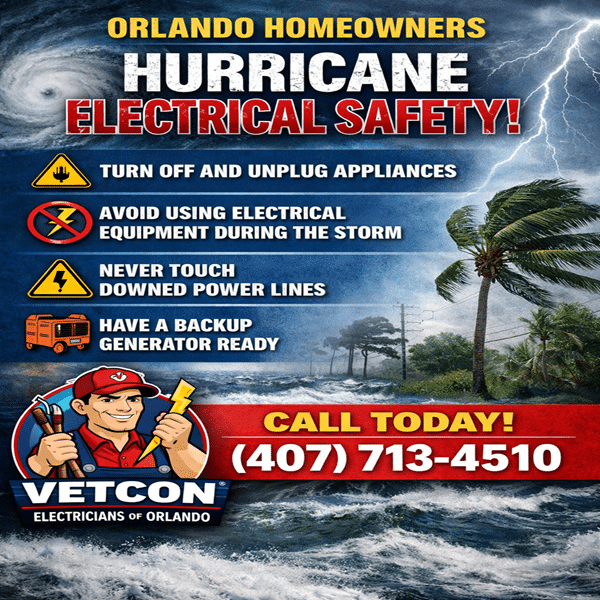
Introduction: Why Electrical Safety is Paramount for Orlando Homeowners
As a homeowner in Orlando, you understand the beauty and allure of Central Florida living. However, this paradise also lies in the path of significant weather events, most notably hurricanes. While preparing for wind and rain is standard, the critical aspect of electrical safety during hurricane season is often overlooked, leaving homes and families vulnerable. The aftermath of a storm can be fraught with unseen dangers, from downed power lines to the deadly combination of water and electricity. This guide is designed to equip you, the Orlando homeowner, with the essential knowledge and actionable steps to navigate hurricane threats and safeguard your home’s electrical systems, ensuring peace of mind before, during, and after a storm.
The Unique Hurricane Threat to Central Florida’s Electrical Systems
As a homeowner in Orlando, you understand the beauty and allure of Central Florida living. However, this paradise also lies in the path of significant weather events, most notably hurricanes. While preparing for wind and rain is standard, the critical aspect of electrical safety during hurricane season is often overlooked, leaving homes and families vulnerable. The aftermath of a storm can be fraught with unseen dangers, from downed power lines to the deadly combination of water and electricity. This guide is designed to equip you, the Orlando homeowner, with the essential knowledge and actionable steps to navigate hurricane threats and safeguard your home’s electrical systems, ensuring peace of mind before, during, and after a storm.
The Unique Hurricane Threat to Central Florida’s Electrical Systems
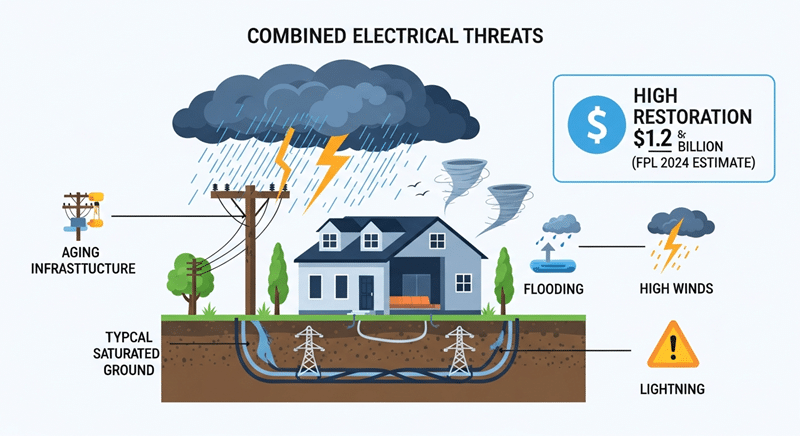
Central Florida’s electrical systems face a combination of threats, including high winds, flooding, aging infrastructure, and significant post-storm restoration costs.
Central Florida, and Orlando specifically, faces a distinct set of challenges during hurricane season, which runs from June 1st to November 30th. While coastal areas are often associated with the most severe hurricane impacts, inland regions like Orlando are not immune. We contend with the same powerful winds, but also with intense rainfall that can lead to widespread flooding and the increased threat of tornadoes embedded within storm systems. This means electrical infrastructure, both above and below ground, is constantly under pressure. Older neighborhoods, common in Orlando, may have aging electrical systems that are more susceptible to damage. Furthermore, the state’s intense humidity and frequent thunderstorms contribute to a constant barrage of electrical stressors, making our systems even more vulnerable when a major hurricane approaches. The economic implications are staggering; Florida Power & Light (FPL) alone expects to seek approval to collect approximately $1.2 billion from customers in 2025 to cover costs for restoring power after hurricanes Debby, Helene, and Milton in 2024. This figure underscores the immense financial toll these storms take on our energy infrastructure and, by extension, on homeowners.
Beyond General Preparedness: Focusing on Electrical Risks for Orlando Residents
General hurricane preparedness often includes stocking supplies and boarding up windows. However, the specific risks to your home’s electrical system demand a focused approach. A prolonged power outage can disrupt essential services, but more critically, compromised electrical systems can pose immediate dangers. Imagine the scenario: torrential rain saturates your yard, downed lines spark near flooded areas, or a lightning strike directly hits your home. These aren’t just hypothetical dangers; they are realities that Orlando residents must prepare for. The unique atmospheric conditions of Florida, often dubbed the ‘Lightning Capital’ of the United States, with approximately 1.4 million lightning strikes each year, means that lightning damage to electrical systems is a persistent threat, not just a storm-event risk. This makes comprehensive electrical safety a cornerstone of effective hurricane preparedness.
The Goal of This Guide: Empowering You with Electrical Safety Knowledge
This guide aims to demystify the complexities of electrical safety during hurricane season. We will break down the risks, outline proactive steps for pre-storm preparation, guide you through safe operation of essential backup power, and provide critical advice for navigating the storm and its immediate aftermath. Our goal is to empower Orlando homeowners with the knowledge to protect their property, their families, and their lives from electrical hazards that hurricanes can unleash. By understanding these risks and implementing the strategies outlined herein, you can significantly enhance your home’s resilience and ensure your family’s safety.
Understanding Hurricane-Related Electrical Risks
Hurricanes unleash a multifaceted assault on electrical systems. From the initial wind and rain to the lingering aftermath, various hazards can compromise your home’s power infrastructure, leading to dangerous situations and significant damage.
The Dangers of Prolonged Power Outages and Their Impact
When a major hurricane, such as the devastating Hurricane Milton in October 2024 which knocked out power to 3.4 million customers in Florida, makes landfall, prolonged power outages are almost a certainty. Beyond the inconvenience of spoiled food and lack of air conditioning, these outages can have serious consequences. Homes reliant on medical equipment become life-threatening environments. Security systems fail, leaving properties vulnerable. Furthermore, the surge of electricity when power is restored can be as damaging as the outage itself, potentially frying sensitive electronics and even overloading circuits if protective measures are not in place.
The Peril of Lightning Strikes: Direct and Indirect Damage to Your Electrical System
Florida’s status as the ‘Lightning Capital’ of the United States, experiencing approximately 1.4 million lightning strikes each year, cannot be overstated. A direct lightning strike can send millions of volts through your home’s electrical system, instantly destroying wiring, appliances, and even structural components. Indirect effects are also prevalent; nearby strikes can induce massive surges through power lines and underground cables, causing significant damage without direct contact. In 2024, Florida led the nation in lightning-related homeowners insurance losses, with 4,780 claims amounting to $113 million in damages, highlighting the substantial financial risk lightning poses to homeowners.
Water and Electricity: A Deadly Combination
The most notorious electrical hazard during hurricanes is the interaction between water and electricity. Floodwaters can inundate underground electrical infrastructure, substations, and even enter homes, electrifying everything they touch. Even shallow puddles can become lethal if they conceal downed power lines or live electrical outlets. This deadly combination is a primary reason why post-storm debris fields and flooded areas are extremely dangerous zones.
Downed Power Lines and Damaged Electrical Systems Post-Storm
After the winds subside, the landscape can be littered with downed power lines. These are incredibly dangerous, capable of carrying a lethal electrical current for miles, and can be easily mistaken for other debris, especially in wet or dark conditions. Damaged electrical systems within your home, including frayed wiring or compromised panel boxes, also pose significant risks of electrocution or fire, particularly if they come into contact with water or are tampered with by untrained individuals.
The Hidden Dangers of Generator Misuse: Carbon Monoxide and Electrocution
While generators are vital for backup power, their misuse presents severe risks. Carbon monoxide (CO) poisoning is a silent killer. After Hurricane Ian in 2022, 41 people in Florida were confirmed to have carbon monoxide poisoning in the first two weeks following landfall, with most cases linked to unsafe generator use during power outages. Running a generator indoors or too close to windows and vents allows deadly CO gas to accumulate. Electrocution is another serious concern, particularly when connecting a generator improperly to your home’s wiring or operating it in wet conditions.
Pre-Storm Electrical Preparations: Securing Your Home’s Lifeline
Proactive measures taken before hurricane season and before a storm threatens can drastically reduce electrical risks and ensure your home’s systems are as resilient as possible.
Professional Electrical System Inspection and Maintenance
The first and most critical step is a comprehensive electrical system inspection by a qualified electrician. Before hurricane season begins, have a licensed professional assess your wiring, circuit breakers, outlets, and grounding. They can identify potential issues like outdated components, loose connections, or inadequate protection against surges. Regular maintenance ensures your system is in optimal condition to withstand the stresses of a hurricane and the subsequent power restoration. Many insurance policies implicitly or explicitly encourage such proactive measures, and some may even offer discounts for homes with up-to-date electrical systems.
Whole-Home and Point-of-Use Surge Protectors
Given Florida’s propensity for lightning and the power surges that accompany storms and restoration, surge protection is non-negotiable. A whole-home surge protector, installed at your main electrical panel, offers the most robust protection against power surges for your entire house. For an added layer of defense, use point-of-use surge protector strips for sensitive electronics like computers, televisions, and gaming consoles. These devices divert excess voltage away from your appliances, safeguarding them from damage.
Preparing for a Power Outage
Anticipate power outages by having essential items readily accessible. Stock up on battery-powered flashlights, lanterns, and extra batteries. Ensure you have a reliable method for charging mobile devices, such as portable power banks or a car charger. Keep a list of emergency contact numbers, including your utility company and local emergency services, readily available. Consider unplugging non-essential electronics and appliances to protect them from surges when power is restored.
Outdoor Electrical Safety Checklist
Inspect all outdoor electrical outlets, fixtures, and connections. Ensure they are properly waterproofed and protected from the elements. Secure outdoor electrical units, such as your air conditioning compressor, by tying them down or shielding them from flying debris that could cause damage. Trim any tree branches that might fall onto power lines or your home’s exterior electrical components.
Generator Planning: A Vital Component of Your Electrical Preparedness
A generator can be a lifesaver during extended power outages. However, proper planning and safe operation are paramount. This involves choosing the right generator for your needs, understanding where to place it safely, and ensuring it is regularly maintained. A generator is only effective if it can be used without posing additional risks to your household.
Emergency Communication and Information
Establish a communication plan with your family. Designate an out-of-state contact person who family members can check in with if local communication lines are down. Stay informed about weather alerts and official advisories from local emergency management agencies. Understanding your designated evacuation zone and knowing the designated evacuation routes is crucial if you are advised to leave your home.
Safe Generator Operation: Your Backup Power Plan
Generators are indispensable during hurricane season, but their safe operation is critical to prevent life-threatening accidents.
Choosing the Right Generator for Your Orlando Home
Generators come in various sizes and fuel types. Portable generators are suitable for powering essential appliances, while standby generators can power your entire home. Consider your needs: what appliances are critical to keep running (refrigerator, well pump, medical equipment, air conditioning)? Calculate the total wattage required to power these items. Also, consider fuel availability and storage – propane, natural gas, and gasoline all have different storage requirements and safety considerations.
Essential Generator Planning and Safe Placement
Never operate a generator indoors. This includes garages, basements, or inside your home, due to the immediate risk of carbon monoxide poisoning. Generators must be placed outdoors, at least 20 feet away from your home, and positioned so exhaust fumes are directed away from doors, windows, and any air intakes. This placement prevents dangerous carbon monoxide from entering your living space.
The Critical Role of a Transfer Switch
Connecting a generator directly to your home’s wiring without a transfer switch is extremely dangerous. It can create a condition known as “backfeed,” where electricity flows back onto utility lines, posing a lethal risk to utility workers and anyone coming into contact with those lines. A transfer switch, installed by a qualified electrician, safely connects the generator to your home’s electrical system, allowing you to power specific circuits without the risk of backfeed. There are manual transfer switches, which require you to manually flip a switch, and automatic transfer switches, which detect a power outage and start the generator, seamlessly switching power.
Fuel Storage and Safety
Store generator fuel in approved containers, away from any heat sources, open flames, or living spaces. Gasoline is highly flammable, so exercise extreme caution. If using propane, ensure tanks are upright and secured. Always allow a generator to cool down completely before refueling to prevent ignition of fuel vapors.
Generator Maintenance Checklist for Hurricane Season
Regular maintenance is key to a reliable and safe generator. Before hurricane season, and periodically throughout, check:
- Oil levels: Ensure proper lubrication.
- Air filter: Clean or replace as needed.
- Spark plug: Inspect and clean or replace.
- Fuel lines: Check for leaks or damage.
- Connections: Ensure all electrical connections are secure.
- Test run: Operate the generator for at least 15-30 minutes periodically to ensure it’s functioning correctly and to keep internal components lubricated.
During the Storm: Navigating Power Outages and Electrical Hazards
When the storm hits and the power inevitably goes out, staying calm and prioritizing safety is paramount, especially concerning electrical hazards.
Immediate Actions When the Power Goes Out
As soon as the power fails, unplug sensitive electronics and major appliances to prevent damage from power surges when electricity is restored. Turn off all lights except one, so you know when power has returned. Avoid opening the refrigerator or freezer unnecessarily to preserve the cold temperature. If you are using a generator, ensure it is operating safely outdoors and that your transfer switch is engaged.
Avoiding Water-Covered Holes and Flood-Affected Areas
Exercise extreme caution when navigating your home and its surroundings during and after the storm. Water can conceal downed power lines, flooded electrical boxes, and other electrical hazards. Never walk through standing water if you are unsure of its depth or what lies beneath it. Assume all standing water is electrically charged and potentially lethal.
Responding to Downed Power Lines
If you see downed power lines, stay at least 35 feet away from them, which is about the length of a school bus. Assume they are energized and dangerous. Do not touch them, drive over them, or attempt to move them. Immediately call 911 and report their location to your utility company. Keep others away from the area until authorities deem it safe.
Safe Lighting Alternatives
Rely on battery-powered lighting solutions like LED flashlights, lanterns, or battery-powered lamps. Avoid using candles if possible, as they pose a fire risk, especially in a storm-damaged environment. If you must use candles, place them on stable, non-flammable surfaces and never leave them unattended.
Maintaining Communication During the Outage
Keep your mobile devices charged using power banks or your car charger if it’s safe to do so. Conserve battery life by turning off unnecessary functions like Wi-Fi and Bluetooth when not in use. If your home has a landline, it may still work if it’s not dependent on electricity, but cordless phones will not function without power.
Post-Storm Electrical Recovery: Safe Reconnection and Inspection
The period after the storm passes is crucial for safely re-engaging with your home’s electrical systems and assessing any damage.
Initial Damage Assessment from a Distance
Before re-entering your home, conduct a visual inspection from a safe distance. Look for any obvious signs of structural damage, downed power lines, or flooding that could impact your electrical system. If there is any doubt about the safety of your home, do not enter.
Severe Dangers of Flood Damage to Electrical Systems
Flood damage to electrical systems is particularly insidious. Water can seep into electrical panels, wiring, and appliances, creating a hidden network of electrical hazards. Even after the water recedes, damaged insulation and internal components can lead to short circuits, fires, or electrocution. If your home has experienced flooding, a thorough inspection by a qualified electrician is absolutely essential before attempting to restore power.
When to Call a Professional Electrician for Residential Electrical Repairs
You must call a professional electrician if you observe any of the following:
- Signs of damage to your electrical meter or the main service line connecting to your house.
- Water inside your electrical panel or fuse box.
- Smell of burning or melting plastic near electrical outlets or fixtures.
- Sparks or popping sounds from outlets or switches.
- Any doubt about the integrity of your home’s electrical system after flooding or significant wind damage.
- Your home has been flooded, regardless of the water level.
Safely Reconnecting Power to Your Home
Once utility crews have restored power to your neighborhood and your home has been deemed safe by an Orlando electrician, you can begin the process of reconnecting your systems. If you have a generator with a transfer switch, ensure the generator is shut down and disconnected before the utility power is restored to prevent back feed. Then, you can reconnect your main electrical panel to the utility power.
Inspecting Appliances and Outlets Before Reuse
Before plugging appliances back into outlets, inspect them for any visible signs of damage. If an appliance has been exposed to water, do not use it until it has been inspected and certified safe by a qualified technician. Test outlets for functionality and be vigilant for any unusual sounds or smells.
Generator Shutdown, Cleaning, and Storage
After the power is restored and you no longer need the generator, follow the manufacturer’s instructions for safe shutdown. Drain any remaining fuel to prevent it from degrading and causing internal damage. Clean the generator and store it in a dry, protected location for future use.
Documenting Damage for Insurance Claims
Thoroughly document all electrical damage with photos and videos before any cleanup or repairs begin. Keep all receipts for temporary repairs, emergency services, and supplies. This documentation is vital for filing accurate insurance claims with your insurance companies. Review your insurance policies, including any flood insurance, to understand what is covered and the process for submitting claims.
Special Electrical Considerations for Modern Homes
Modern homes often incorporate advanced technologies that add complexity to hurricane electrical preparedness.
Electric Vehicles (EVs) and Hurricane Preparedness
Electric vehicles require charging infrastructure that interacts with your home’s electrical system. Before a storm, consider unplugging your EV. If widespread power outages are anticipated, fully charging your EV beforehand can provide a mobile power source using its vehicle-to-load (V2L) capability, allowing you to power small appliances or electronics. Consult your EV manufacturer for specific hurricane preparedness advice.
Smart Home Devices and Battery Backup Systems
Smart home devices, while convenient, can also be vulnerable. Many smart home hubs and critical devices have limited battery backup. Ensure your critical smart home components are protected by surge protectors and consider integrating whole-home battery backup systems for uninterrupted operation of essential services during outages.
Protecting Sensitive Electronics: Unplugging vs. Surge Protection
While surge protectors offer excellent protection against surges, for severe weather events, unplugging sensitive and valuable electronics entirely is the safest bet. This completely isolates them from the grid and any potential power fluctuations.
Understanding Insurance Policies for Modern Electrical Systems
Homeowners insurance policies and flood insurance coverage can vary significantly regarding electrical components and modern technologies like EV charging stations or smart home systems. Review your policies with your insurance agent to ensure adequate coverage for these systems and understand the claims process for specific electrical damage.
Professional Help and Local Resources
Navigating hurricane electrical safety is a complex task, and professional help is invaluable.
When to Call a Professional Electrician
As detailed throughout this guide, calling a qualified electrician is crucial for pre-storm inspections, safe generator installations, post-storm damage assessments, and any repairs. In Orlando, services like Mr. Electric of Orlando or other licensed and insured electricians can provide the expertise needed to ensure your electrical systems are safe and compliant.
Emergency Services and Utility Contacts
Keep a readily accessible list of emergency contacts:
- Emergency Services: 911 for immediate life-threatening situations.
- Local Utility Company: For reporting outages, downed lines, or electrical emergencies.
- Non-Emergency Police/Fire: For less urgent issues.
General Preparedness Resources
FEMA (Federal Emergency Management Agency) and the Florida Division of Emergency Management offer extensive resources on hurricane preparedness, including information on evacuation zones, building codes, and disaster assistance. Visit their official websites for comprehensive guidance.
Understanding Evacuation Zones and Routes
Know your home’s designated evacuation zone and the recommended evacuation routes. If an evacuation order is issued, it is imperative to leave your home promptly. Before evacuating, ensure all non-essential electrical appliances are unplugged and consider shutting off your main electrical breaker if advised to do so by authorities.
Conclusion
Hurricane season presents unique and significant electrical challenges for Orlando homeowners. Electrical safety is not merely an afterthought; it is a critical pillar of comprehensive disaster preparedness. By understanding the risks posed by power outages, lightning, water, and generator misuse, and by implementing proactive measures such as professional inspections, robust surge protection, and safe generator operation, you can significantly enhance your home’s resilience.
This guide has provided actionable steps for pre-storm preparation, safe navigation during the storm, and prudent recovery in its aftermath. Remember the vital role of qualified electricians in ensuring your home’s electrical integrity, and always prioritize safety by avoiding contact with water and downed power lines. Familiarize yourself with your evacuation zone and emergency resources. By investing time and effort into electrical preparedness now, you are investing in the safety and security of your home and your family for the entire hurricane season and beyond. Stay informed, stay prepared, and stay safe.